- Call Us
-
07855 491 911

Loft Conversion or Home Extension: Which Adds More Value?
When homeowners need more living space, two of the most popular options are a loft conversion and a house extension. Both can transform your property, improve your lifestyle, and potentially increase the value of your home. But which option offers the best return on investment?
The answer depends on several factors, including your property's layout, budget, local property market, and how you intend to use the additional space. In this guide, we'll compare loft conversions and house extensions to help you decide which project is right for your home.
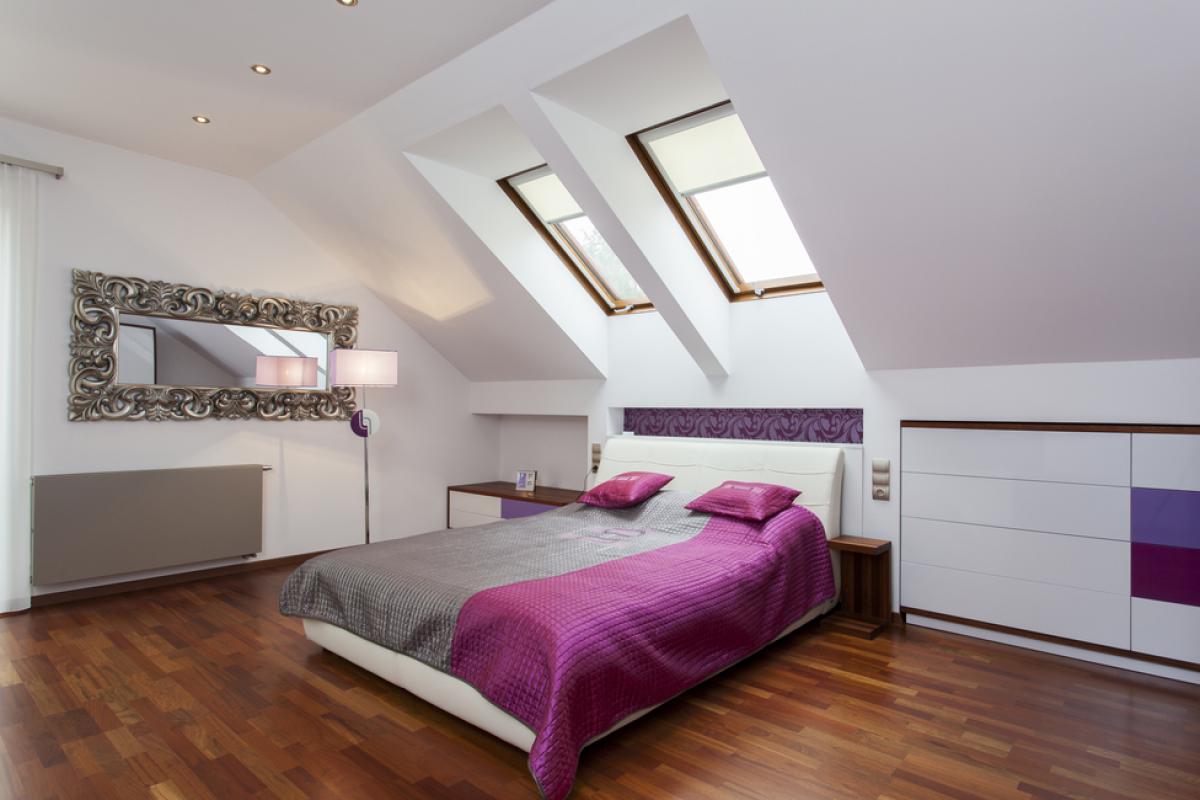
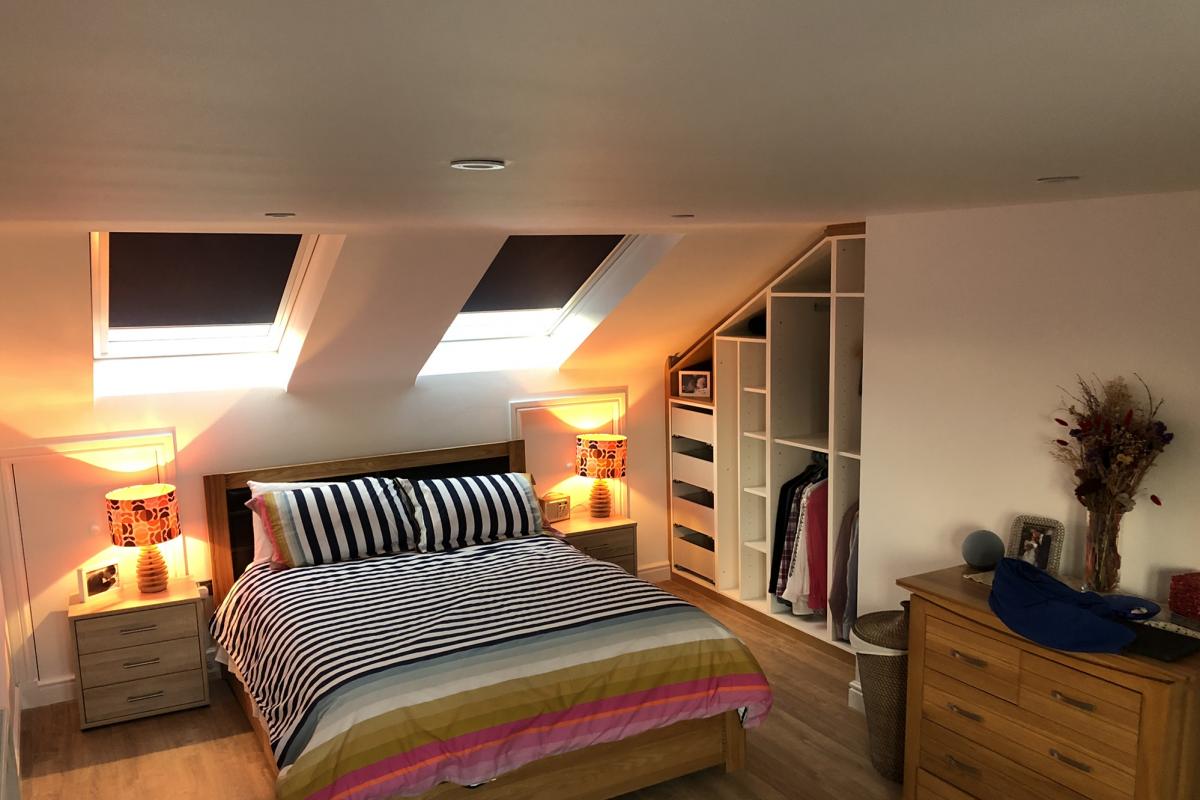
What Is a Loft Conversion?
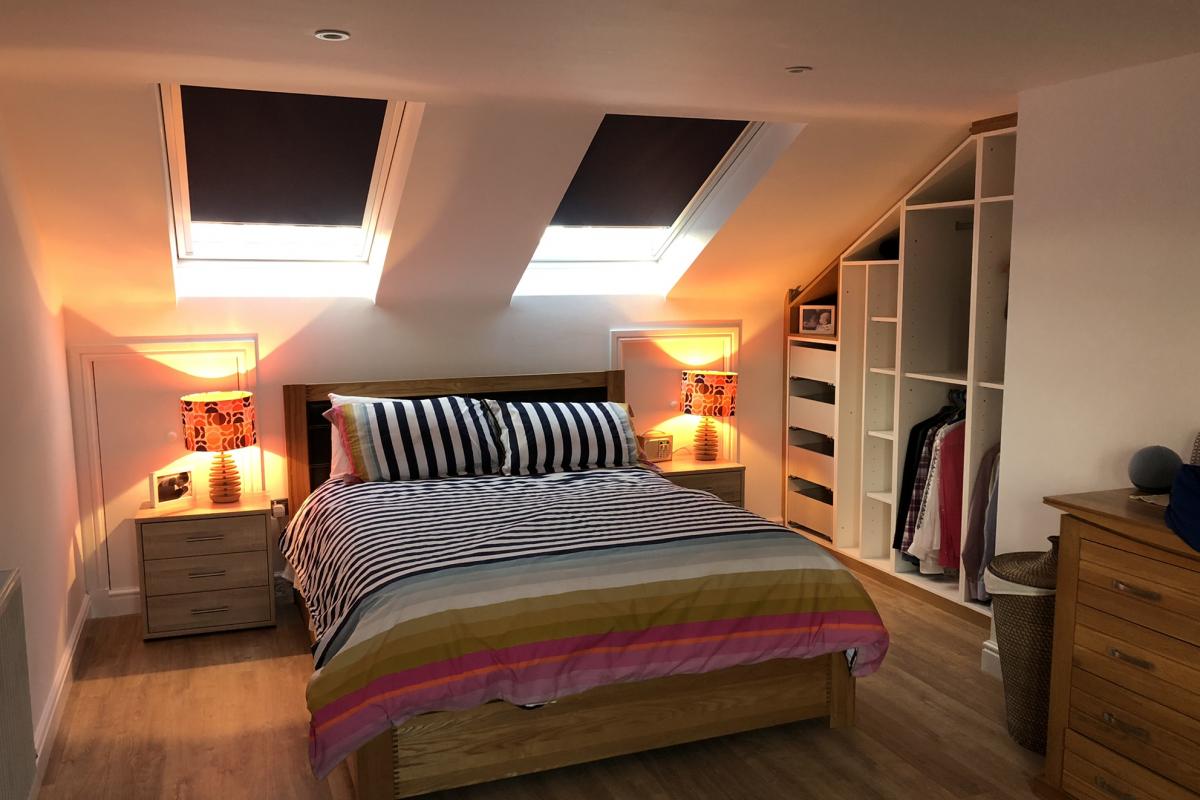
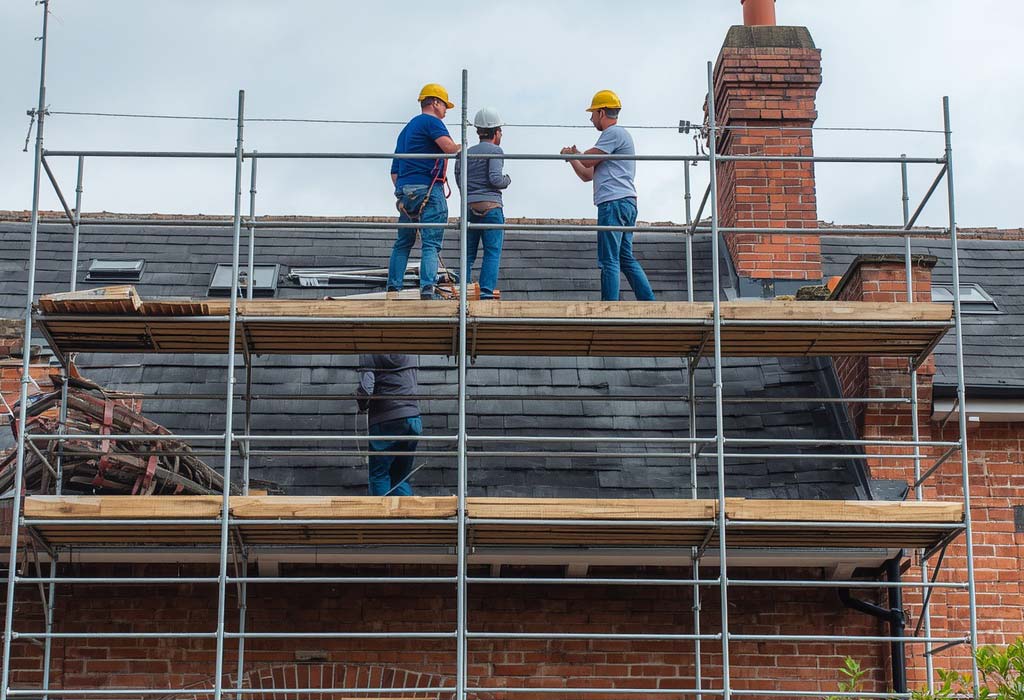
A loft conversion transforms unused roof space into a functional living area.
Common uses include:
-
Additional bedrooms
-
Home offices
-
Guest suites
-
Playrooms
-
En-suite master bedrooms
Loft conversions are particularly popular because they utilise existing space within the property's footprint, meaning you don't sacrifice any garden space.
Advantages of a Loft Conversion
-
Creates additional living space without reducing outdoor areas
-
Often falls under permitted development rights
-
Can be completed relatively quickly
-
Usually more cost-effective than a large extension
-
Ideal for adding an extra bedroom and bathroom
Potential Drawbacks
-
Not all lofts are suitable for conversion
-
Staircase placement can reduce space on the floor below
-
Limited by roof height and structural requirements
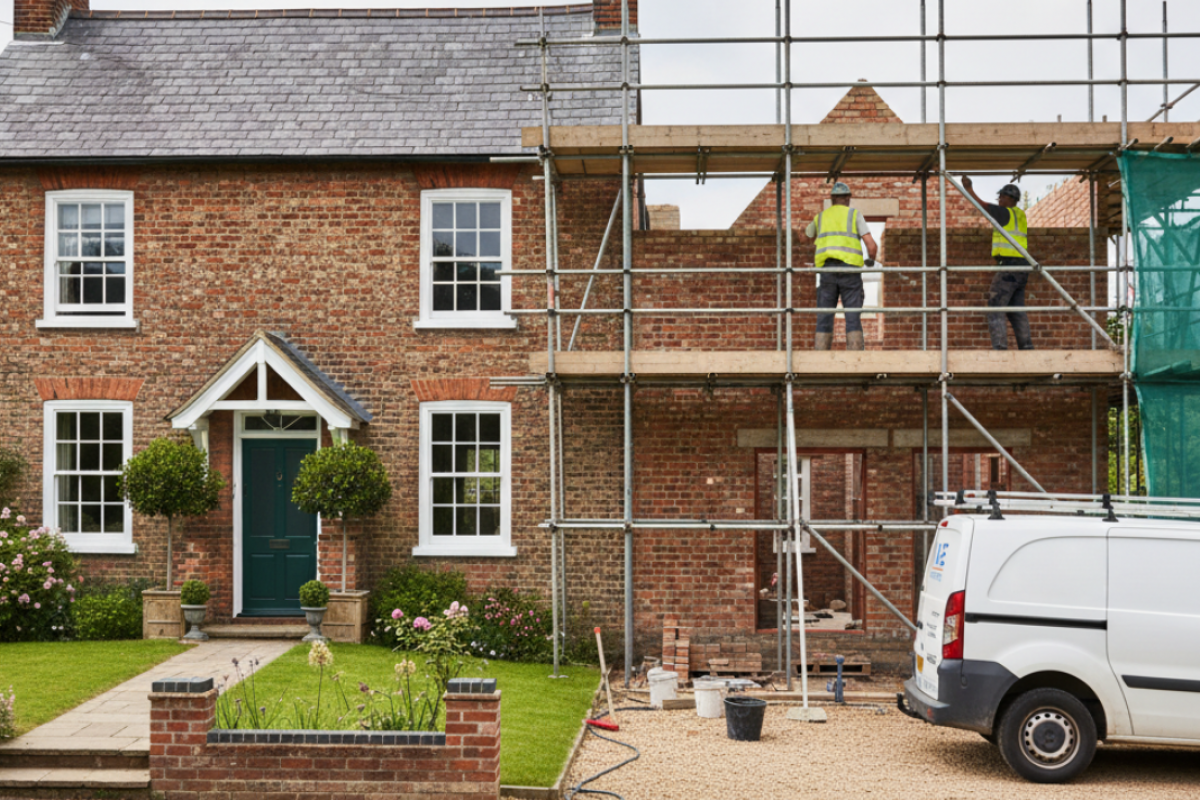
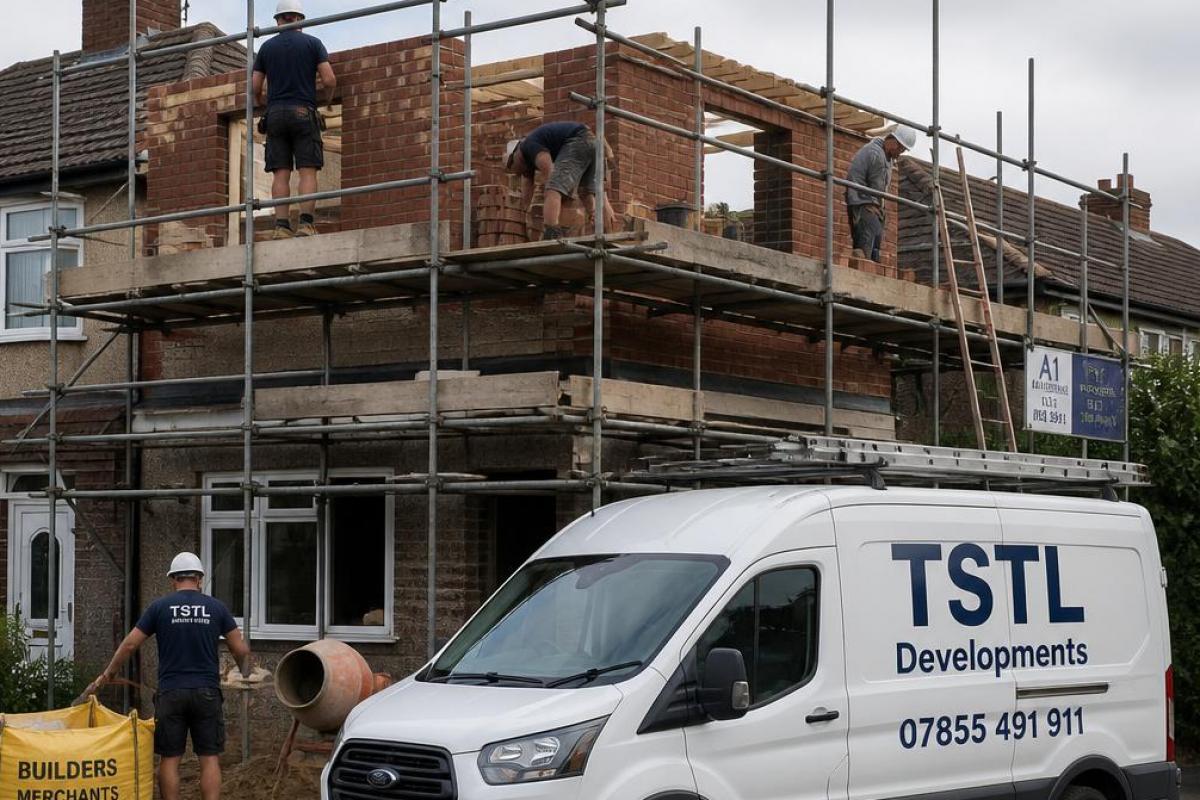
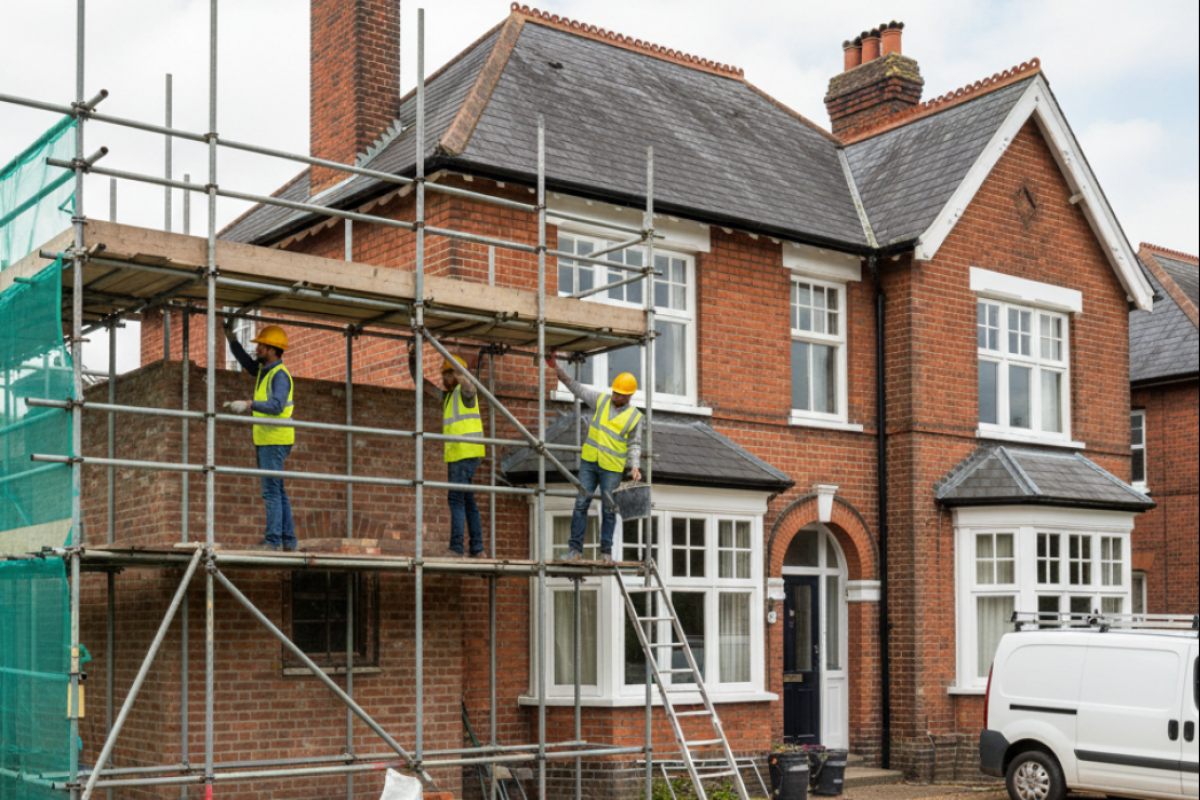
What Is a House Extension?
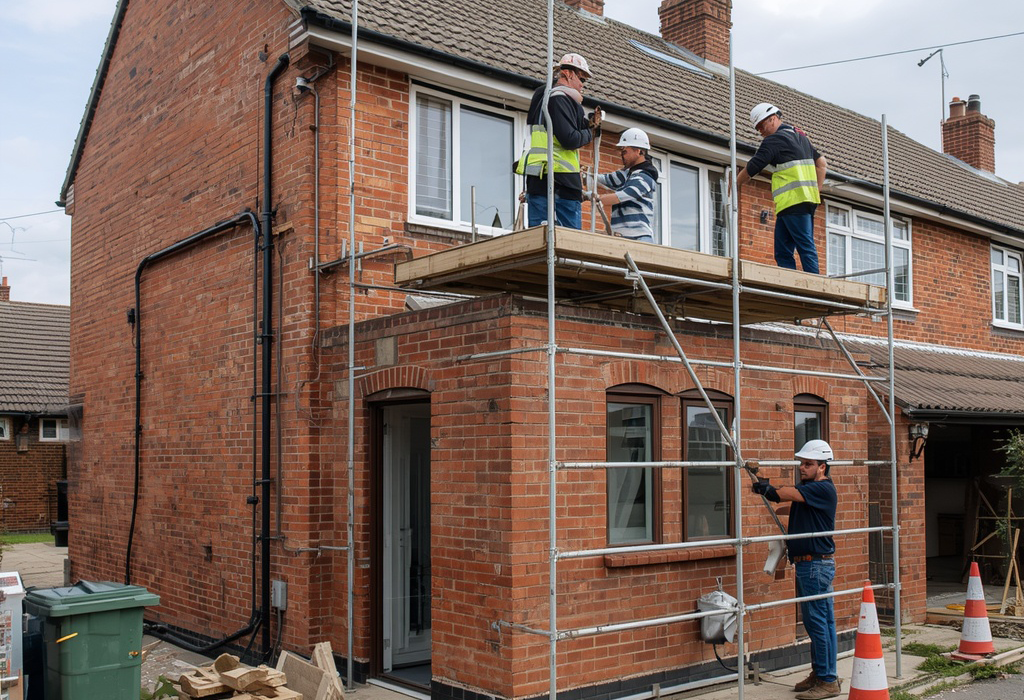
A house extension increases your property's floor area by building outward from the existing structure. Popular extension types include:
-
Rear extensions
-
Side return extensions
-
Wraparound extensions
-
Double-storey extensions
Extensions are commonly used to create larger kitchens, open-plan living areas, utility rooms, or additional bedrooms.
Advantages of a House Extension
-
Significantly increases living space
-
Greater design flexibility
-
Perfect for open-plan family living
-
Can completely transform the layout of your home
Potential Drawbacks
-
Higher construction costs
-
Longer build times
-
May require planning permission
-
Reduces garden or outdoor space
Which Adds More Value?
Both loft conversions and extensions can increase property value, but the amount depends on the quality of the work and local market conditions.
Loft Conversion Value Increase
A well-designed loft conversion can add a substantial amount to a property's value, particularly if it creates an additional bedroom and bathroom. Homes that move from three bedrooms to four bedrooms often see a strong increase in market appeal.
Buyers are frequently willing to pay a premium for extra sleeping accommodation, especially in areas where larger family homes are in high demand.
House Extension Value Increase
Extensions can also add significant value, particularly when they create desirable living spaces such as large open-plan kitchens or additional family rooms.
A thoughtfully designed extension can make a property feel larger, more modern, and better suited to contemporary lifestyles, making it highly attractive to prospective buyers.
Cost Comparison
Although every project is unique, loft conversions are generally less expensive than large extensions.
Typical Loft Conversion Benefits
-
Lower structural costs
-
Uses existing roof space
-
Less disruption to gardens and external areas
-
Faster construction times
Typical Extension Benefits
-
More flexibility in room size and layout
-
Greater potential for dramatic transformations
-
Can create highly desirable kitchen-dining spaces
When comparing value added versus project cost, loft conversions often provide an excellent return on investment because they create additional bedrooms without requiring major expansion of the property's footprint.
Which Option Is Best for Your Home?
A loft conversion may be the better choice if:
-
You need an extra bedroom
-
Your loft has sufficient head height
-
You want to maximise return on investment
-
You wish to preserve garden space
A house extension may be more suitable if:
-
You want a larger kitchen or living area
-
Your loft is unsuitable for conversion
-
You need substantial additional ground-floor space
-
You have ample outdoor space available
The Importance of Local Property Trends
The value added by either project depends heavily on local demand.
In areas where family homes are highly sought after, adding a bedroom through a loft conversion may deliver exceptional value. In other locations, creating a large open-plan kitchen through an extension may have a greater impact on resale prices.
Consulting experienced home improvement specialists can help you understand which option is likely to provide the best return in your area.
In Summary
There is no universal answer to whether a loft conversion or house extension adds more value. Both can significantly improve your property and enhance your quality of life.
If your primary goal is adding an extra bedroom and maximising return on investment, a loft conversion is often the most cost-effective solution. If you want to transform how your family uses the home and create larger communal living areas, a house extension may offer greater long-term benefits.
The best choice depends on your property, budget, and future plans. By carefully considering your goals and working with experienced professionals, you can invest in a home improvement project that adds both value and enjoyment for years to come.